
Making Sense of Shaker cabinets for Everyday Homeowners
A practical guide to shaker for homeowners planning a kitchen remodel, covering materials, layout, budget, installation, and care.
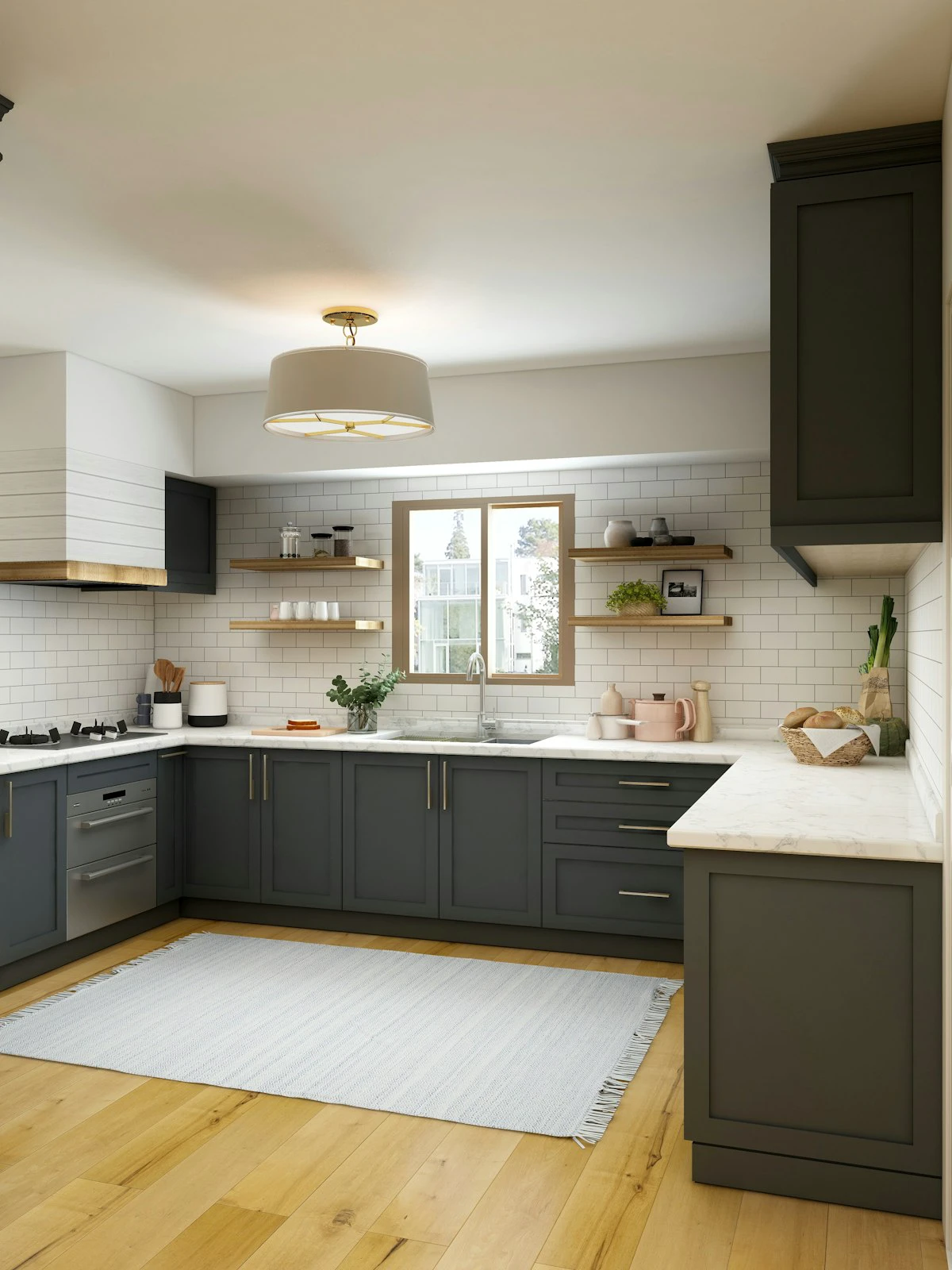
Making Sense of Shaker cabinets for Everyday Homeowners
There is a moment in every renovation when the plan on paper meets the reality of the room. Walls turn out to be slightly out of square, a window sits a few inches lower than expected, and the appliance that seemed standard arrives with surprise clearance needs. Homeowners who spend time learning about shaker cabinets tend to handle these moments with far less stress, because they already understand the trade-offs and can adjust without starting over.
Most people underestimate how much thought goes into a kitchen that simply feels right. The best kitchens are not the ones with the most expensive finishes. They are the ones where storage matches real habits, where doors open without collision, and where the layout quietly supports the way a household actually lives. For anyone exploring shaker cabinets, the most useful approach is to slow down, understand the options, and make choices that answer specific needs rather than vague aspirations.
Why Shaker cabinets Matter in a Modern Kitchen
The kitchen is a work zone as much as it is a social space. Cooks move between the sink, the prep area, and the range in patterns that repeat hundreds of times a week. Cabinets that respect those patterns make cooking smoother and safer. Cabinets that ignore them create small daily frictions, from blocked drawers to crowded corners, that add up over time. This is why careful planning around shaker cabinets pays off in ways that are felt rather than seen.
Finally, cabinets are one of the few kitchen elements that reward patience with genuinely better outcomes. Rushing the decision often means compromising on storage, paying for expedited shipping, or accepting a finish that does not quite fit. Homeowners who take time to compare shaker cabinets usually find that the extra research translates directly into a kitchen they are happy to live in for years.
Key Factors When Choosing Shaker cabinets
Think about drawer depth and door width before choosing finishes. Deep drawers handle pots and pans far better than narrow ones, while wide doors can be awkward in tight corners. Planning storage around the specific items that need a home, from sheet pans to stand mixers, produces a kitchen that stays organized without constant effort. This kind of detail is where thoughtful shaker cabinets planning shows its value.
Decide how much closed storage versus open storage the household actually wants. Open shelving can make a kitchen feel airy, but it also demands tidiness. Closed cabinets hide clutter and protect dishes from grease and dust. Most successful kitchens blend both, using open shelves for everyday items and closed cabinets for the rest. The right balance depends entirely on how the family cooks and cleans.
Materials and Construction to Compare
Sustainability is increasingly part of the decision. Cabinets made from responsibly sourced wood or low-emission engineered panels are easier on indoor air quality and on the environment. Many buyers now weigh these factors alongside price, and manufacturers have responded with clearer labeling and better materials. Choosing shaker cabinets with a responsible supply chain is a small decision with a longer reach.
Weight capacity is easy to ignore until a shelf sags. Cabinet boxes and shelves designed for real kitchen loads handle heavy cookware, small appliances, and stacks of dishes without bowing. If a household stores a great deal of heavy equipment, it is worth confirming that the chosen shaker cabinets are rated for that kind of everyday weight.
Measuring and Planning the Kitchen
Accessibility and comfort matter for every household. Pull-out shelves, deep drawers, and well-placed handles reduce bending and reaching, which makes the kitchen easier for people of all ages. Designing shaker cabinets with these details in mind creates a room that remains welcoming as needs change over the years, rather than one that has to be reworked later.
Planning begins with a clear picture of how the household uses the kitchen on an ordinary day. Where do people gather? Who cooks, and how often? Is there a need for a dedicated baking zone, a coffee station, or space for children to do homework? Answering these questions before selecting shaker cabinets turns a vague wish list into a concrete set of requirements that can guide every decision.
Installation and Timeline
Protecting the workspace during installation saves cleanup time and prevents damage. Cardboard over floors and careful handling of finished panels reduce scratches and dents. A tidy installation is easier to inspect, and problems are noticed sooner when the site is organized rather than cluttered with debris.
Trim, filler panels, and crown molding finish the edges where cabinets meet walls, ceilings, and appliances. These details hide gaps and make the installation look intentional rather than assembled. Well-executed trim around shaker cabinets gives the kitchen a built-in, furniture-quality appearance that photographs and visitors notice immediately.
Budget, Cost, and Value
Finally, remember that the budget is a tool, not a constraint to fight. A clear figure helps the household say no to options that do not serve the plan and yes to the few upgrades that genuinely improve daily life. Used that way, a budget protects the quality of the kitchen instead of limiting it.
Comparing quotes on an itemized basis is the fastest way to find real differences. When each quote lists cabinets, hardware, delivery, and installation separately, it becomes clear whether an apparently lower price is truly lower or simply missing components. This habit turns a confusing set of numbers into a fair comparison.
Maintenance and Everyday Care
Kitchen cabinets stay attractive for years when they are maintained with a little consistency. Most finishes only need a soft cloth and a mild soap solution, wiped gently with the grain. Abrasive cleaners and scrubbing pads can dull the surface and remove the protective layer, so simple, regular care usually outperforms aggressive cleaning.
Moisture is the main enemy of cabinetry. Wiping up spills near the sink, dishwasher, and refrigerator prevents water from reaching the edges of the cabinet box where damage begins. A quick towel-dry after cleaning around hardware keeps metal finishes bright and prevents mineral buildup over time.
Common Mistakes to Avoid
Another frequent error is under-measuring the space. Cabinets ordered from rough dimensions often need expensive adjustments or filler pieces that break the clean lines of the design. Careful measurement, including doorways and ceiling height, prevents the most avoidable delays in a renovation.
Forgetting about lead times creates unnecessary stress. A cabinet that arrives late can delay countertops, appliances, and the final inspection. Ordering shaker cabinets as early as the plan allows, and confirming the delivery window in writing, protects the timeline from avoidable pressure.
How to Compare Options Online
Photographs are helpful, but they should be read carefully. Lighting, camera angle, and staging all influence how a finish appears on screen. Ordering a sample when possible, or reviewing photos taken in ordinary daylight, gives a more accurate sense of how shaker cabinets will look in a real kitchen.
Finally, plan the purchase around the renovation schedule. Ordering shaker cabinets with enough lead time allows the rest of the project to proceed calmly. When the cabinets arrive on schedule and in good condition, the online approach pays off in exactly the way it should.
Quick Checklist
- Measure the room carefully, including walls that are not perfectly square.
- Confirm appliance dimensions and required clearances before ordering.
- Plan storage around the items the household actually uses every week.
- Compare hardware quality, not only the door finish.
- Check lead times and delivery windows early in the project.
- Set aside a contingency budget for the unexpected.
Frequently Asked Questions
How do I know which shaker cabinets are right for my kitchen?
Start with the layout and the way your household cooks, then match the cabinets to those requirements. Confirm the measurements of the room, decide how much closed and open storage you need, and compare construction, hardware, and finish before considering color. A shortlist built this way is usually far easier to choose from than a catalog of finishes.
Are cabinets a good investment?
Cabinets are one of the few kitchen improvements that affect both daily function and resale appeal. Because they cover so much of the room and are used constantly, quality cabinetry tends to hold its value well. The key is to match the investment to the home and the household rather than simply choosing the most expensive option.
How long does a cabinet project usually take?
A typical project involves planning, ordering, delivery, installation, and a short adjustment period afterward. Lead times vary widely by finish and supplier, so confirming delivery windows early is important. Building a little flexibility into the schedule helps absorb the small delays that almost every renovation encounters.
Should I install cabinets myself?
Some homeowners successfully install their own cabinets, especially with a simple layout and the right tools. However, leveling, securing cabinets to the wall framing, and finishing trim are tasks where professional experience shows. If time or confidence is limited, hiring an installer is usually money well spent.
How can I make cabinets last longer?
Regular, gentle cleaning, prompt attention to moisture near the sink and dishwasher, and occasional hardware checks go a long way. Avoid overloading drawers and keep the indoor climate reasonably stable. These simple habits preserve both the finish and the mechanics of the cabinets for years.
Final Thoughts
The value of good cabinetry is measured in years, not weeks. A thoughtful plan, quality construction, and a sensible budget come together to create a kitchen that keeps working long after trends move on. That durability is precisely what makes shaker cabinets worth the research they require.
Renovations always involve trade-offs, and cabinets sit at the center of many of them. Understanding those trade-offs in advance turns difficult choices into confident ones. Households that take time with shaker cabinets tend to spend less time second-guessing and more time enjoying the room they built.